The 3 Main Batik-Making Techniques: Tulis, Cap, and Lukis
A comparison of the three main manual batik techniques — tulis, cap, and lukis — plus how they differ from batik-patterned textiles like printing and ecoprint.
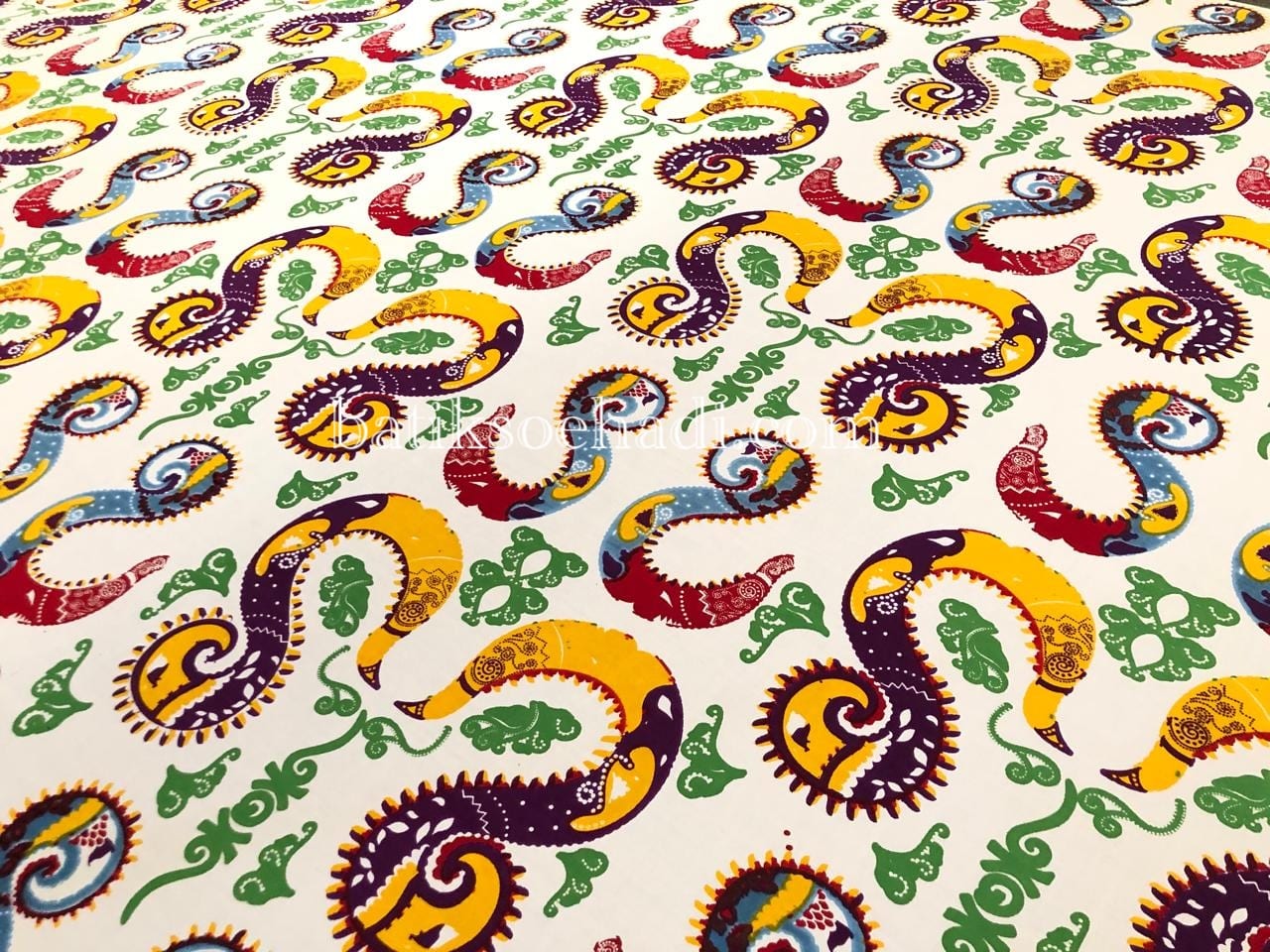
What makes a cloth worthy of the name batik is the wax-resist technique, not just the motif. In general there are three main manual batik techniques: tulis, cap, and lukis. This article compares them briefly; details on each live in the related articles.
Tulis batik — a hand-made masterpiece
Tulis batik is made by drawing wax with a canting, entirely by hand. Because it is manual, every piece is unique and no two cloths are exactly alike. The process is long and generally the most expensive. The full stages are in the tulis batik process article, and how to recognise it is in the asli tulis article.
Cap batik — repeated precision
Cap batik uses a copper stamp (a patterned block) dipped in wax and pressed onto the cloth. The technique appeared to speed up production without abandoning the wax tradition. The pattern is consistent and repeatable, and hand-drawn touches are usually added for richer detail. The cap-vs-printing comparison is in the batik printing vs batik cap article.
Lukis batik (colet) — free expression
Lukis batik applies wax with a brush spontaneously, without a rigid pattern. The result is more artistic and is often used for artwork or exclusive collections. The technique is also known as colet when colour is applied with a brush.
Batik vs batik-patterned textiles
Not every batik-patterned cloth is made with wax. In general:
Batik printing — machine-printed batik-patterned textile without wax; fast and economical, but it skips the wax-resist process.
Ecoprint — transferring pigment from leaves onto cloth; eco-friendly, but technically different from the wax process.
Jumputan — colour resist with string ties (not wax); see the jumputan article.
Which technique for which need
Tulis for high-value cloth and uniqueness; cap for consistent patterns in medium volumes; printing (including handprinting) for large-scale production with controlled cost. For production needs, see our production page and batik techniques page.
Frequently asked
Is cap batik worth less than tulis batik? It differs in value rather than ranking: cap excels in pattern consistency and efficiency, tulis in uniqueness. The choice depends on the need.
Is batik printing genuine batik? Technically printing is a batik-patterned textile because it uses no wax; in trade practice, however, the term "batik printing" is still used for it.
Discuss Batik Techniques
Tim kami siap membantu Anda memilih kain batik, motif, bahan, dan kebutuhan custom sesuai anggaran.
“Kualitas batiknya bagus sekali, karyawan sangat puas dengan kenyamanan bahannya. Harga juga terjangkau!”
“Sudah langganan beberapa kali, tidak pernah mengecewakan. Produksi tepat waktu dan kualitas konsisten.”
“Pelayanan cepat dan responsif. Desain custom sesuai permintaan, hasil jahitan rapi. Sangat recommended!”