Quality Batik Materials: Cloth, Wax, and Dye
The three core materials of quality batik — cloth (mori primisima to silk), the wax resist, and natural or synthetic dyes.
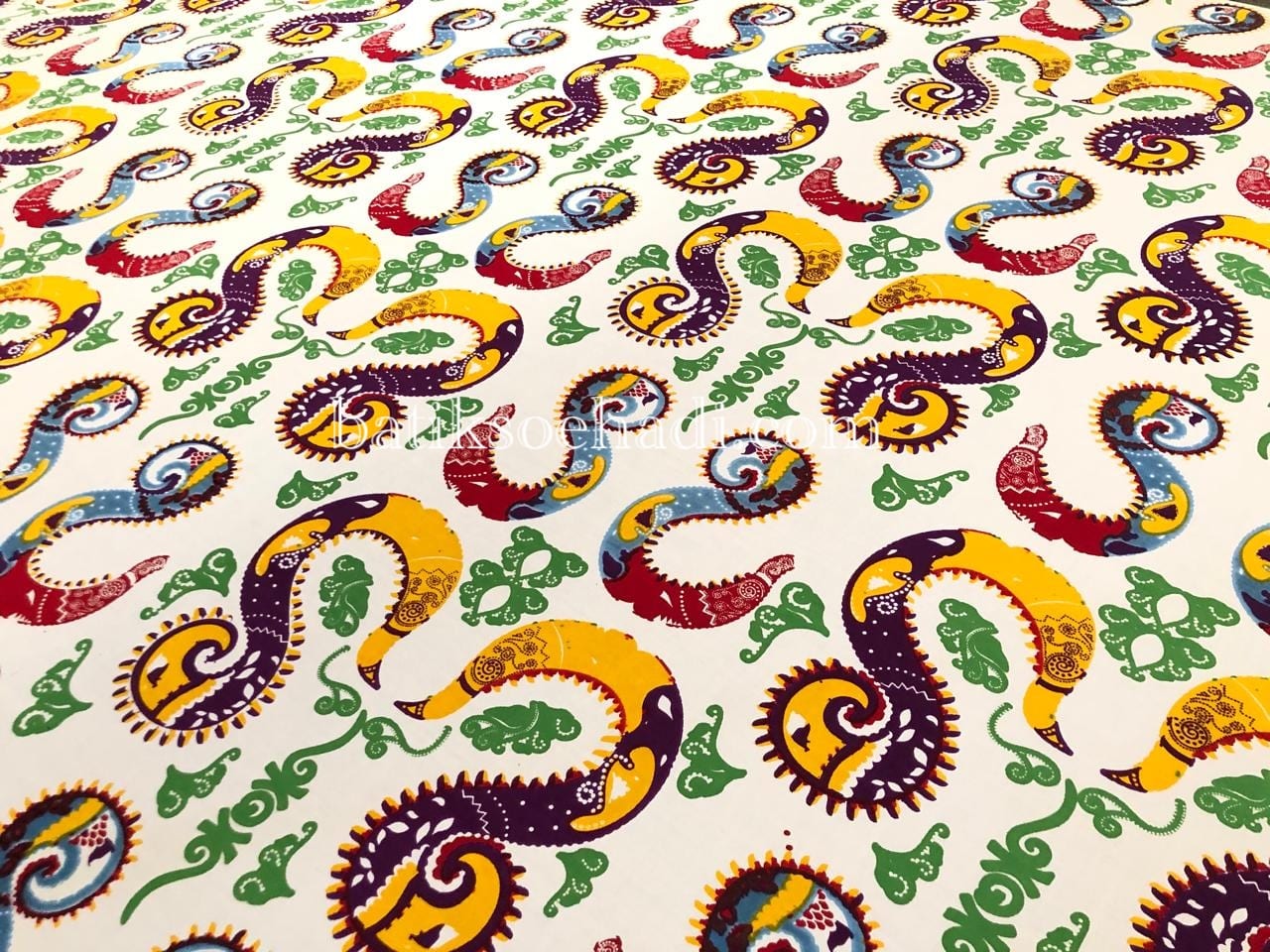
Batik quality is set not only by the artisan's skill but also by three core materials: cloth, wax (the resist), and dye. This article looks at each in general terms and what makes it good — without claiming exact specifications.
1. Cloth: a canvas that takes colour
Good batik cloth absorbs dye steadily and is comfortable to wear. Natural fibres such as cotton and silk are commonly used. Terms you will meet in the market:
Mori primisima — finely woven, smooth cotton, often regarded as the finest tier for premium tulis batik.
Mori berkolisima / voalisima — cotton with a finishing that drapes and looks more luxurious, suited to formal wear.
Silk — a natural fibre with sheen and a soft texture, generally for exclusive collections; care is more demanding.
A fuller material comparison is in types of batik fabric and the primissima article. For the materials we work with, see the price list.
2. Wax: the colour resist
Wax (malam) holds back the dye so protected areas stay clean. Type and consistency are matched to the job:
Klowong wax — for the main outline; chosen for strength and resistance to cracking while drawn with the canting.
Tembokan wax — for covering large areas so they stay clean and white through the dye bath.
The right wax gives crisp, clean lines; wax that is too runny or too stiff makes the line "mleber" (spread unevenly).
3. Dye: natural or synthetic
The dye choice sets the look and colour fastness. Both kinds are legitimate:
Natural dyes — from plants such as indigo (blue), secang (red), mengkudu, and turmeric. The result is soft and distinctive, but the process takes longer. Details are in the batik colours article.
Synthetic dyes — such as naphthol and indigosol, giving sharper, more varied colours with a more practical process.
How it relates to our production
At Batik Soehadi, the material choice follows the need — from cotton for daily uniforms to more formal fabrics. Production details are on our production page, and specific motif needs can be discussed through custom batik.
Frequently asked
Is the most expensive material always the best? Not necessarily — the best is the one that fits the need. Primissima suits formal wear, cotton is practical for daily use, and silk is for exclusive collections.
What is semi-silk? A market term for rayon/viscose with a silk-like sheen, not a blend containing real silk — explained in the semi-silk article.
Discuss Material Choice
Tim kami siap membantu Anda memilih kain batik, motif, bahan, dan kebutuhan custom sesuai anggaran.
“Kualitas batiknya bagus sekali, karyawan sangat puas dengan kenyamanan bahannya. Harga juga terjangkau!”
“Sudah langganan beberapa kali, tidak pernah mengecewakan. Produksi tepat waktu dan kualitas konsisten.”
“Pelayanan cepat dan responsif. Desain custom sesuai permintaan, hasil jahitan rapi. Sangat recommended!”